Welcome to Learning and Fun
The Homeschool Helper





Hi, I'm Ms. Pace!
I've been teaching for over twenty years. I have taught at both the elementary and the high school side of classrooms. I have been a teacher through the public school system, homeschooling my own two children, 4-H, Vacation Bible School and AWANA.
I hold a Master Degree in Education as well as minoring in Social Science and Psychology. I have multiple ideas on how to engage students and make them excited about learning. You can use education that is based on the students interests. They feel like they are learning about subjects that they want to know more about, all while getting the education they need for reading, writing, math, science and more...

Hello!


Current Homeschool Pages
Print and Trace Full Alphabet
Holiday Coloring Sheets
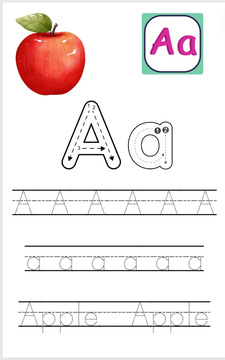
General Theme
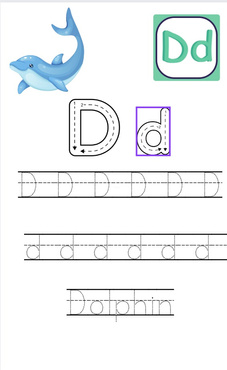
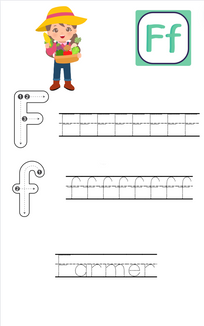
- Print Tracing Sheets on Card Paper
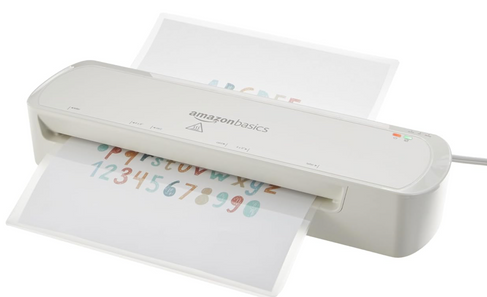
- Laminate Sheets
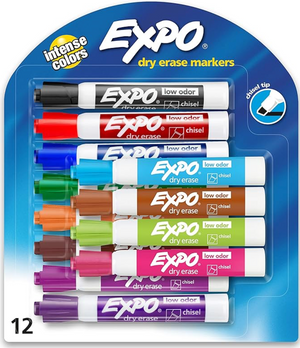
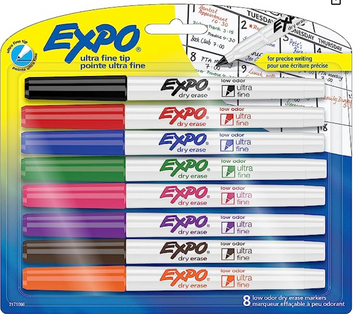
- Use Dry Erase Pen
- Endless Practice Time With Letters and Numbers




Breaking down the school year

Starting with the standards for first grade. Math seemed to be the biggest challenge and had the most requirements. I started by counting how many the kids had to learn. There were about twenty and we have nine months of school. I then put common themes together (learning tally marks could be learned along with pie graphs and line graphs). Then I looked at what they had to learn first. Example, they cannot do story problems until they know how to add and subtract. Then I put them in order using numbers 1-9 and put it on each month's calendar.
Social Studies and Science can be once or twice a week
Math, Reading and Writing needs everyday practice
Art can be incorporated into the theme of other subjects
Next, break things down by week and think about where your student is currently and what the common core goal is, then connect the dots. Fill the week in with a lesson, worksheets where they can use a little help and then a worksheet that they can do on their own. Using little to no help at the end will show you that the child has indeed learned the process.





Homeschool Resources in Portland, Oregon



You must send in a notification letter to your local ESD to legally homeschool your student. This letter must be re-submitted if you move into a new ESD district. You should notify your local ESD within 10 days of the beginning of homeschooling, within 10 days of withdrawing the child from public school, or if you have relocated to Oregon from another state, within 10 days of arriving, if it is during the school year.
The following ESDs allow online registration:
- Clackamas ESD
- Intermountain ESD (Baker, Morrow, Umatilla, Union counties)
- Multnomah ESD
- Northwest Regional ESD (Clatsop, Columbia, Tillamook, Washington counties)
- Willamette ESD (Marion, Polk, Yamhill counties)
- Linn-Benton-Lincoln ESD.
- We recommend you print out a copy of your confirmation letter at your convenience for your child's records. For the districts that require a written notification, you can print off an example letter from Oregon Home Education Network (OHEN) here.
Find your local Education School District (ESD) to send a letter of intent to homeschool.
Help young children enjoy eating by making it fun...
Kid Approved Healthy Recipes
Through Food Hero...

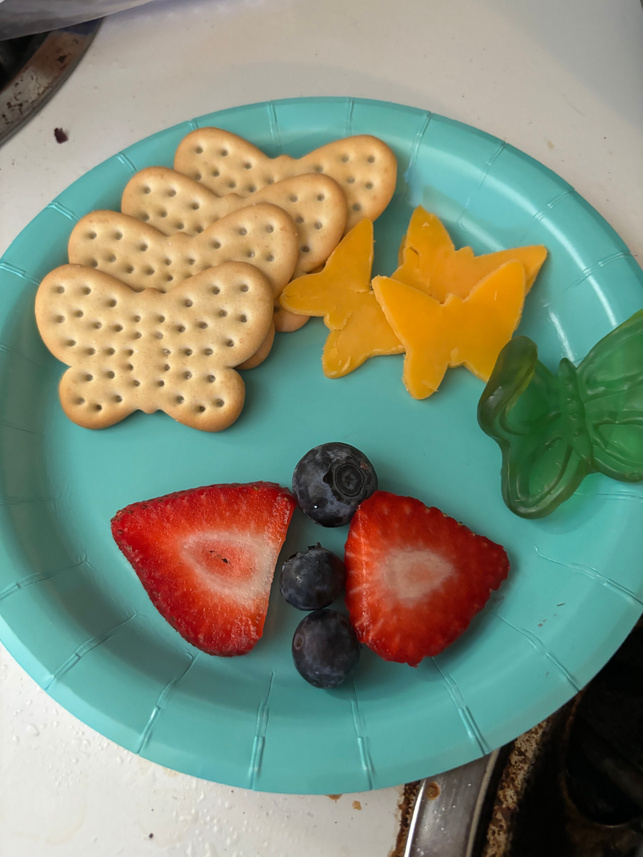
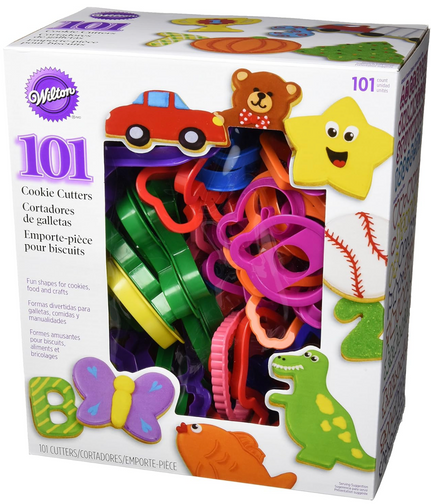
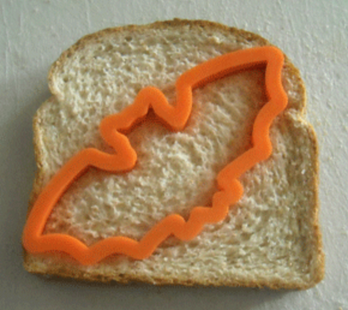
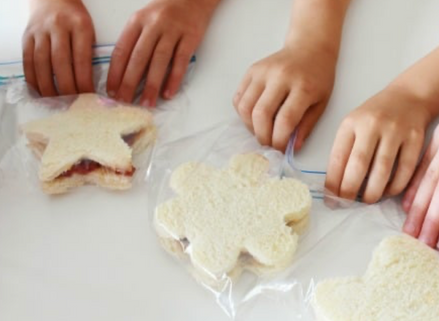
- I use cookie cutters in a number of different ways. One way is to cut out sandwiches. Often there is a theme that we have to go along with for our school work. Use cookie cutters to cut out sandwiches, toast, melon slices, jello as well as cookies. Kids may eat their meals better and not fuss.



Farm Theme Day
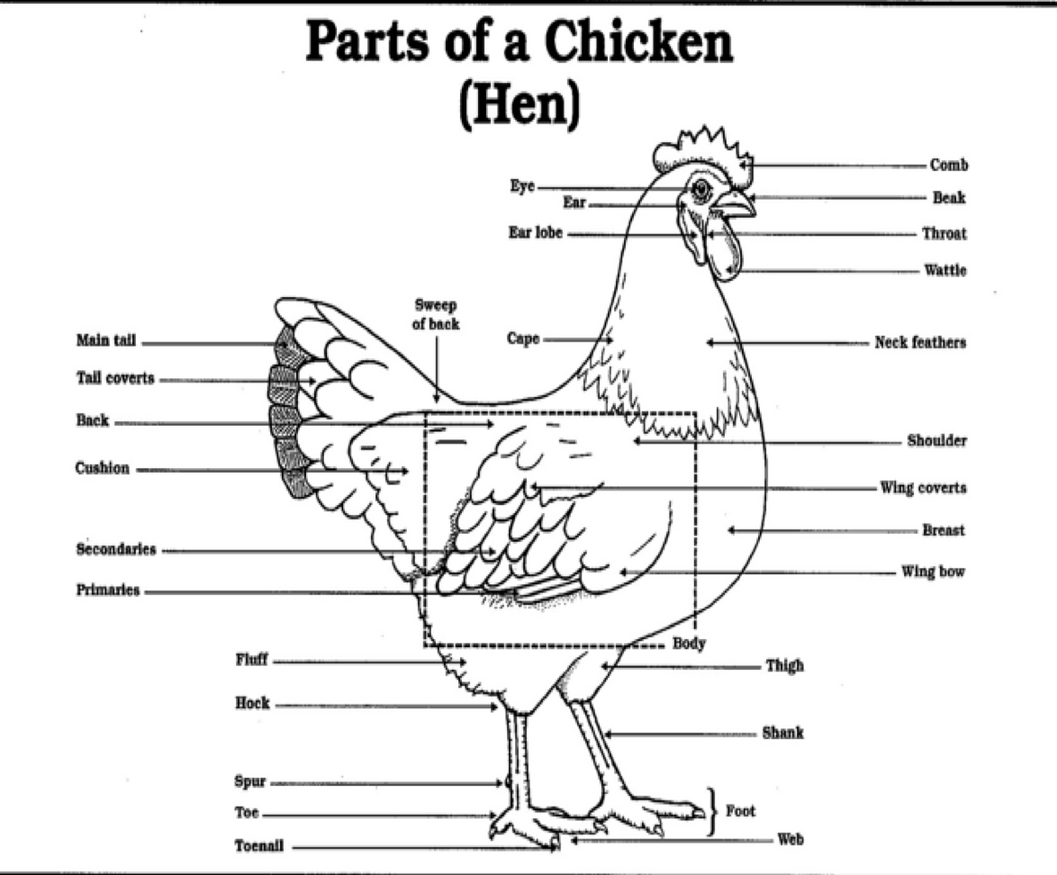
Science: Learn about the different parts of birds and the life cycle. Learn about how we are good stewards of the land and how we need to take care of the animals. Learn about Noah's Ark and how many chores the people had to take care of all the animals.
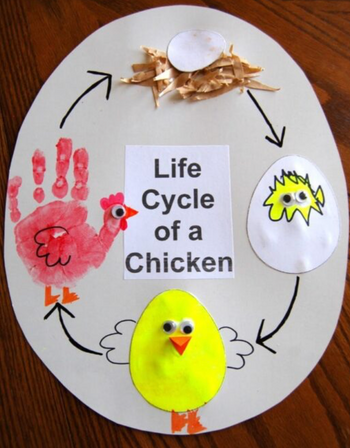
Art: Life cycle of the chicken. Made with paper, shredded paper for the nest and kids handprint for the chicken.
Lunch: Sandwich cut out with a chicken cookie cutter. Melon cut out with a flower cookie cutter and put on the end of a skewer. Strawberries, blue berries or raspberries added to the skewer stick.
Snack: Dirt Cups (use a clear cup (glass or plastic) and fill 3/4 with chocolate pudding. Cover with crushed up Oreo cookies and then add a gummy worm to the top.


If you are thinking about homeschooling or need help getting started I am here to help.
Consultation is available over email or over the phone for $25 an hour.
You can email me with any questions at learningandfun23@gmail.com
Christmas Around The World




Germany
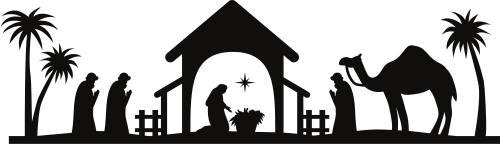
Traditional paper cuttings that are shaped like the nativity scene.
Advent Calendars are used with small decorative boxes for each day. A wreath made of a fir tree has twenty-four boxes and each box would contain a small present.
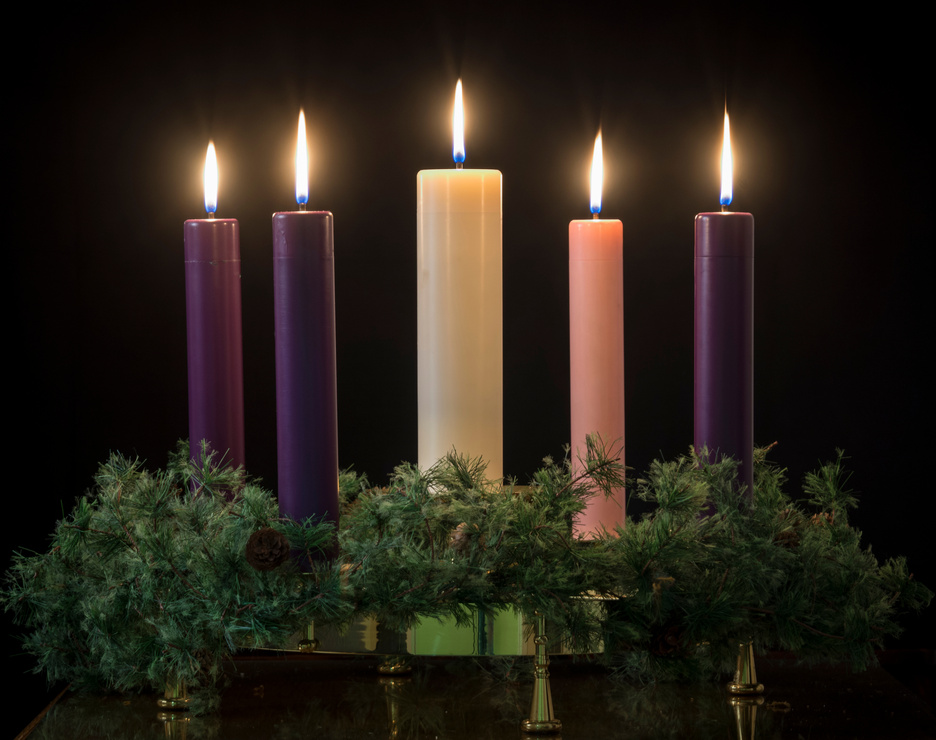
Other advent calendars include four candles and each candle would be lit for each week of advent.
Christmas trees started in the late middle ages. The trees were put up in homes of people who had children. The mom and dad would put the trees up on the night of christmas eve and have them decorated by morning as a surprise.
As well as Santa bringing Christmas Gifts, Germany celebrates St. Nicholas Day on December 6th. On the night between the 5th and the 6th St. Nicholas brings a small gift and leaves it in the childrens shoes by the door. He also will leave them small gifts of sweets and chocolates.
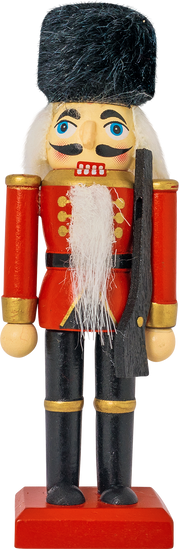
Christmas ornaments are made from blown glass and were brought to the USA in the 1880's through the Woolworth Stores. Another traditional decoration is the Nutcrackers.
Carp or goose was a traditional Christmas meal. Also Stollen which is a yeast bread with fruit.
Italy
Traditionally starting in the 16th century it became popular to have a nativity scene in your home. Before then, the nativity scenes were only in monasteries and churches. Tradition has people putting up their nativity scenes on December 8th. However, the baby Jesus does not appear in the scenes until December 24th. Naples is home to the biggest nativity scene, that has over 600 objects in it. It includes presents, food, animals and other objects.
In Italy people put up their Christmas Trees on December 8th and celebrate with the feast of Immaculate Conception. The tree then stays up until the Epiphany on The 6th of January.
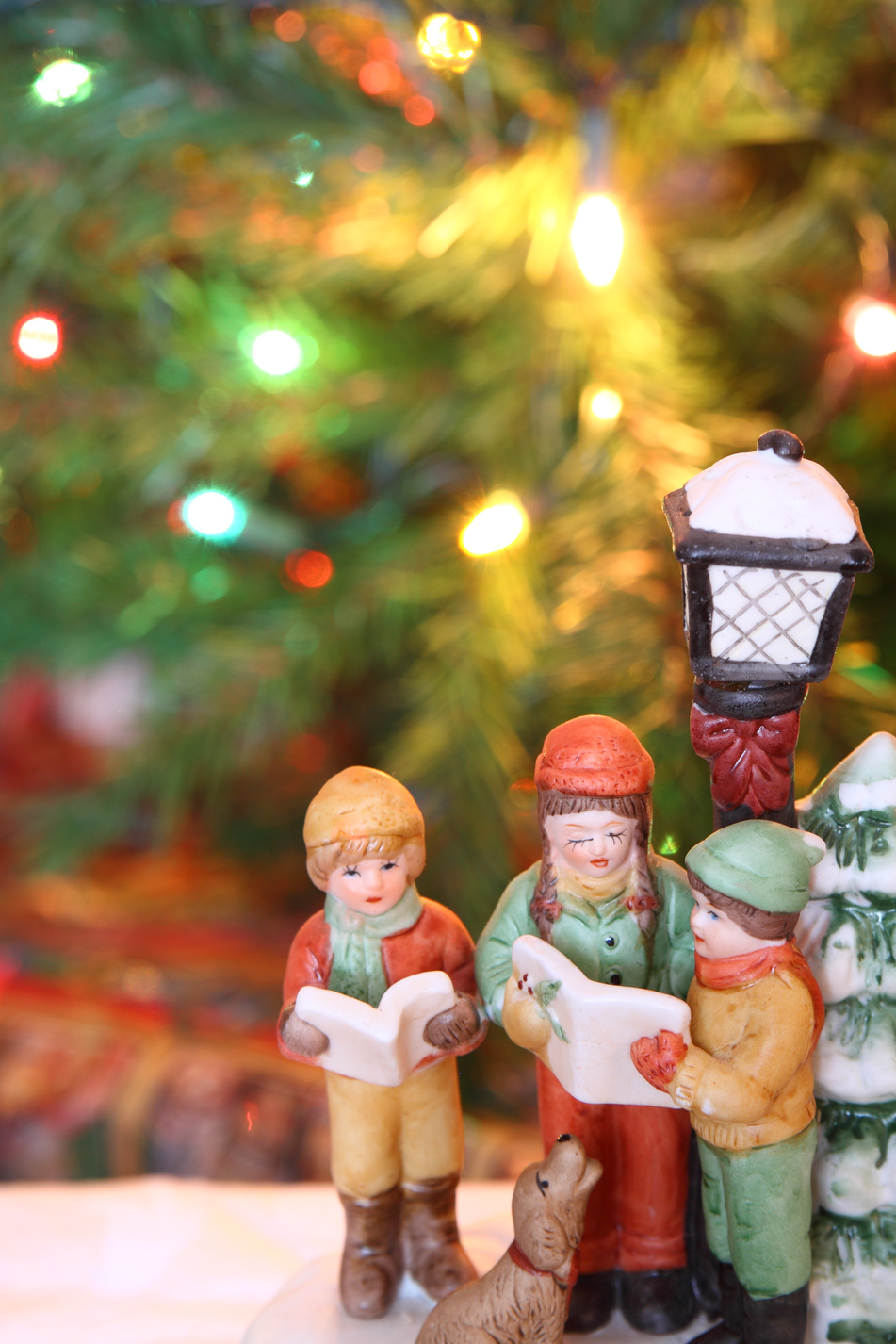
An older Italian custom includes children who go out caroling. They sing songs on shepherds pipes, they wear sepherds sandals and hats.
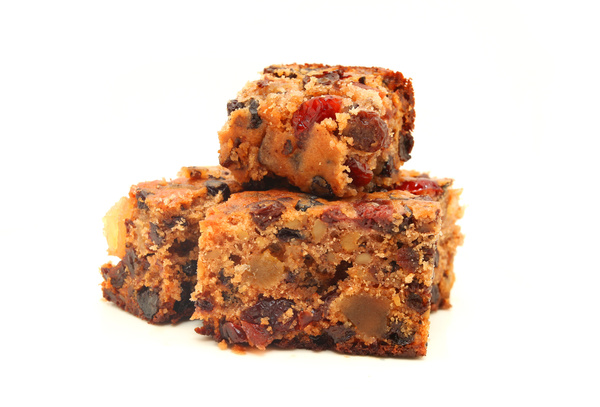
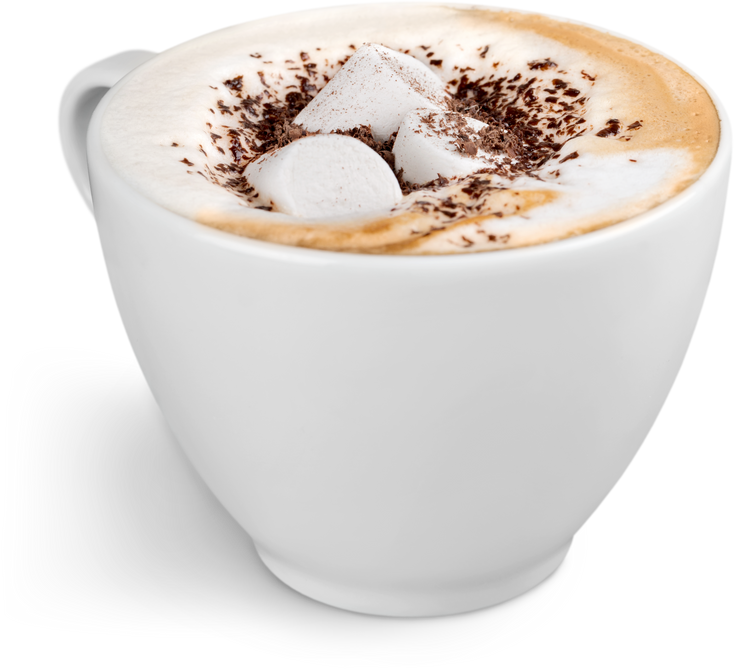
On Christmas Eve when people return home from Mass they have a slice of cake called Panettone, which is a dry fruity sponge cake and a cup of hot chocolate.
Brazil
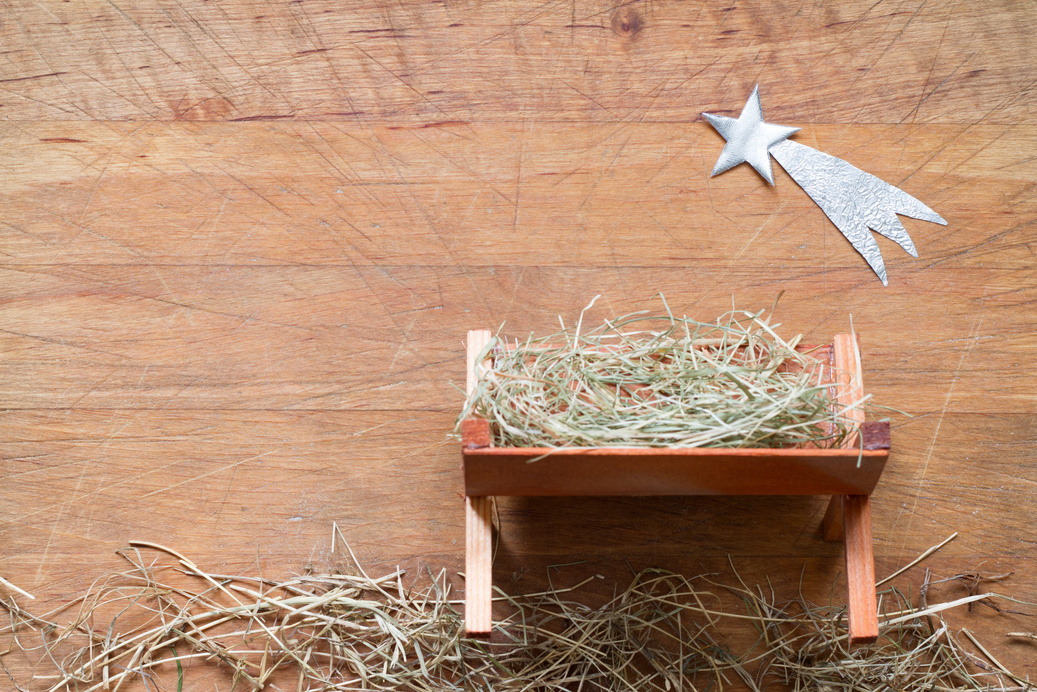
Many Brazilian Christmas traditions come from Portugal as Portugal ruled Brazil for many years. Nativity Scenes, known as Presépio are very popular. They are set-up in churches and homes all through December.
Christmas plays called 'Os Pastores' (The Shepherds). These are similar to plays in Mexico, but in the Brazilian versions of the play, there's also traditionally a shepherdess and also a woman who tries to steal the baby Jesus!
Most people, especially Catholics, will go to a Midnight Mass service. The mass normally finishes about 1.00am. On Christmas day, people might go to church again, but this time the services are often in the afternoon.
After the Midnight Mass there are often big firework displays and in big towns and cities there are big Christmas Tree shaped displays of electric lights. Many Christmas customs are similar to ones in the USA or UK even though it's summer and very hot at Christmas time in Brazil. Many people like to go to the beach. Sometimes children leave a sock near a window. If Papai Noel (Santa) finds your sock, he'll exchange it for a present!
The most popular Christmas song in Brazil is 'Noite Feliz' (Silent Night).
It's common in Brazil to get a '13th salary' at the end of the year – i.e. in December you get twice the normal amount of pay for that month! The idea is to help boost the economy around Christmas. This has been going on for decades and most people don’t even question that other countries might not do it!
Favorite Christmas foods in Brazil include pork, turkey, ham, salads and fresh and dried fruits. Everything is served with rice cooked with raisins and a good spoon of "farofa" (seasoned manioc flour.) Popular Christmas desserts include tropical and ice cream.
Brazils population is a mix of many different cultures and people that originally came from different countries, so you may have Italian Panettone in São Paulo, Portuguese salted Cod in Rio de Janeiro and some African style food in the states of North-East Brazil. The meal is normally be served around 10pm on Christmas Eve and exactly at Midnight people greet each other, make a toast wishing everyone a Happy Christmas and after that they will exchange presents. The lunch on Christmas day is also special and after that some people go to relatives and friends houses to visit.
Epiphany, when people remember the Wise Men visiting Jesus, is widely celebrated in Brazil.
France
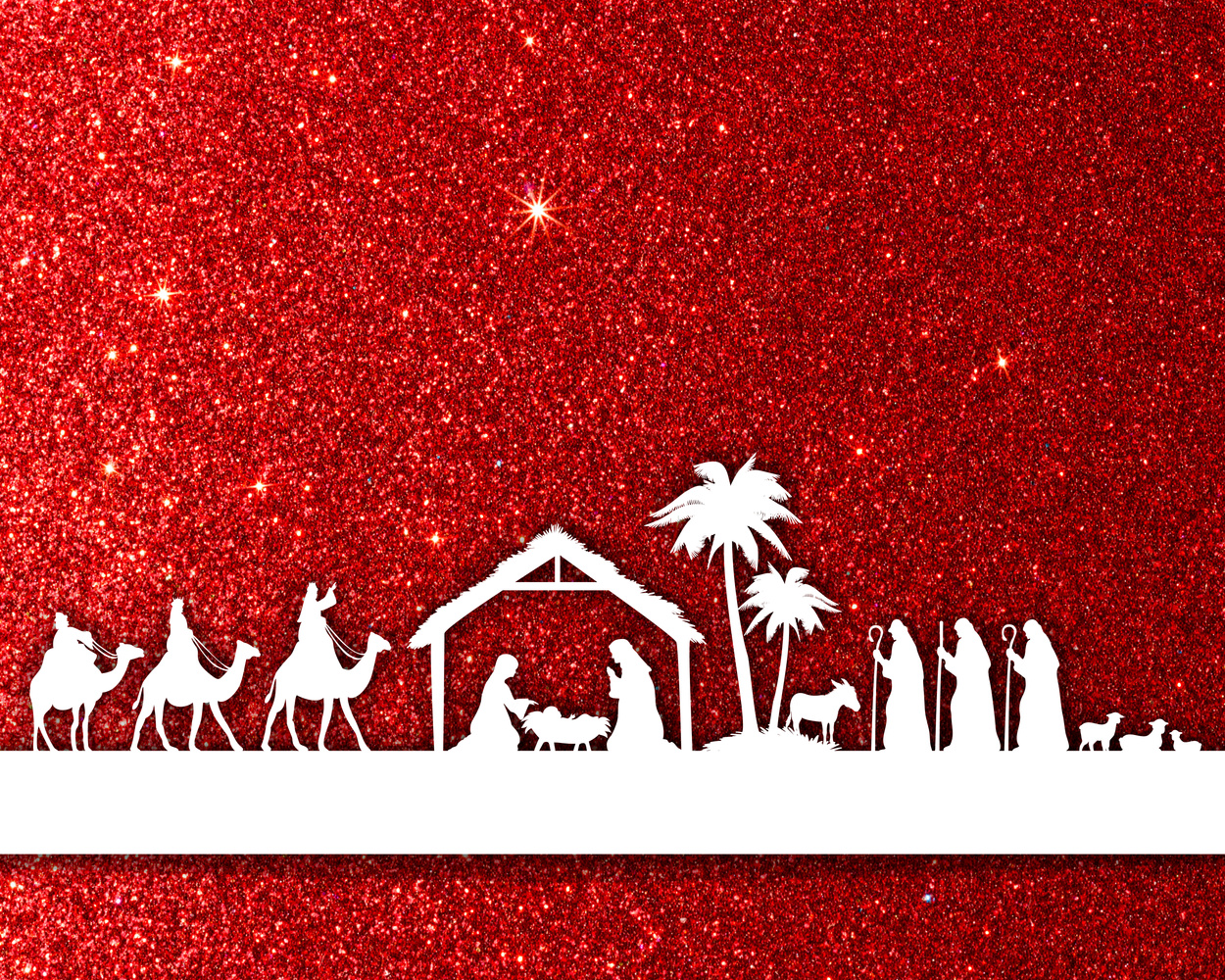
In France, a Nativity crib is often used to help decorate the house. French cribs have clay figures in them. During December some towns and cities, such as Marseilles, have fairs that sell Nativity figures. As well as having the normal Nativity figures in them, French scenes also have figures such as a Butcher, a Baker, a Policeman and a Priest.
One of the biggest Christmas markets in Europe is held in Strasbourg, in North Eastern France. In the Alsatian language it's called the "Christkindelsmarik".
Yule Logs made out of Cherry Wood are often burned in French homes. An old tradition is that the log was carried into the home on Christmas Eve and sprinkled with red wine to make the log smell nice when it was burning. There is a custom that the log and candles are left burning all night with some food and drinks left out in case Mary and the baby Jesus come past during the night.
In France, Father Christmas / Santa Claus / St. Nicholas is called Père Noël (Father Christmas). In eastern France he is accompanied by Le Pere Fouettard, a man dressed in black. He might be the same person as Zwarte Piet/Sooty Piet/Roetpiet in The Netherlands.
The main Christmas meal, called 'Réveillon', is eaten on Christmas Eve/early Christmas morning after people have returned from the midnight Church Service. Dishes might include roast turkey with chestnuts or roast goose, oysters, foie gras, lobster, venison and cheeses. For dessert, a chocolate sponge cake log called a bûche de Noël is normally eaten.
Another celebration, in some parts of France, is that 13 different desserts are eaten! All the desserts are made from different types of Fruit, Nuts and Pastries.
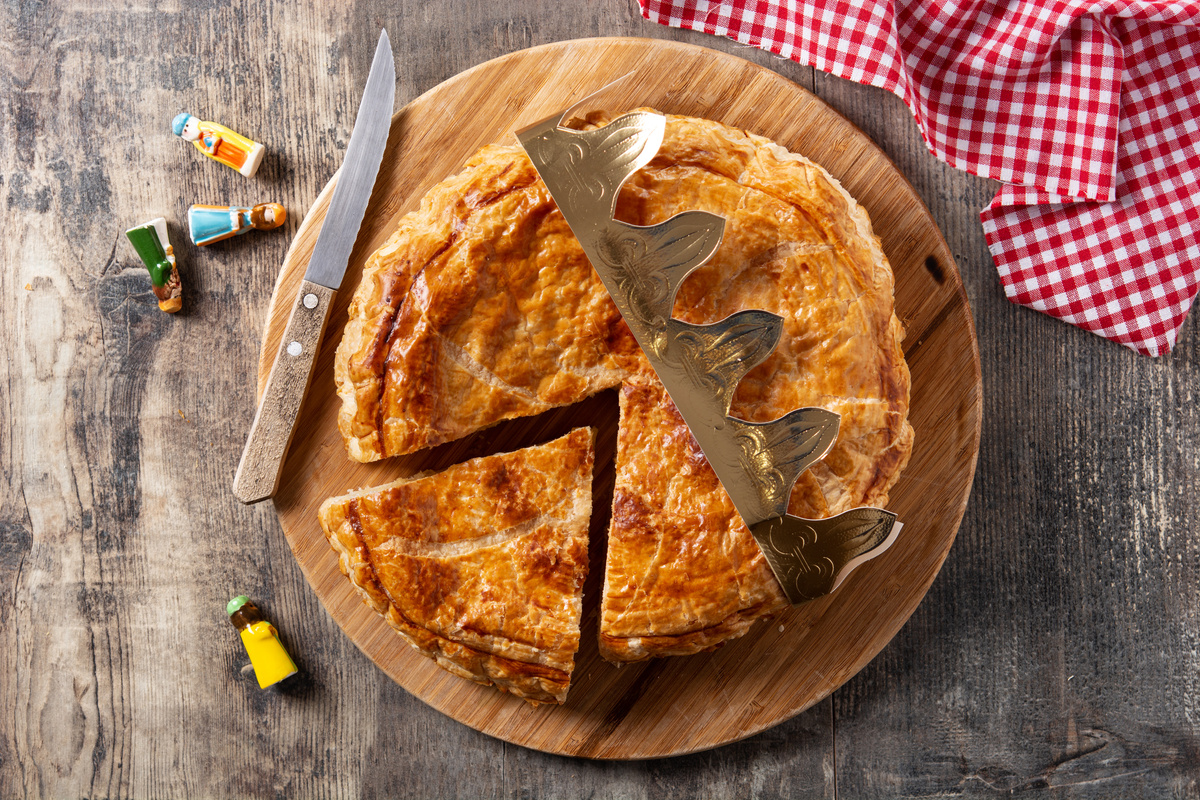
Epiphany (Épiphanie in French), called La Fêtes des Rois in French, is also celebrated in France on January 6th. A flat cake/tart made with and puff pastry and almond cream is eaten called 'Galette des Rois'. The cake traditionally has a 'fève' baked inside it (or put in the cream on the top). The fève was originally a bean (often made from porcelain, ceramic or metal). Now it can be a little crown, a figure or other shapes/small ornaments. The Galette des Rois is decorated on top with a gold paper crown. If you find the fève you wear the paper crown and are meant to bring the Galette des Rois the following year!